💔
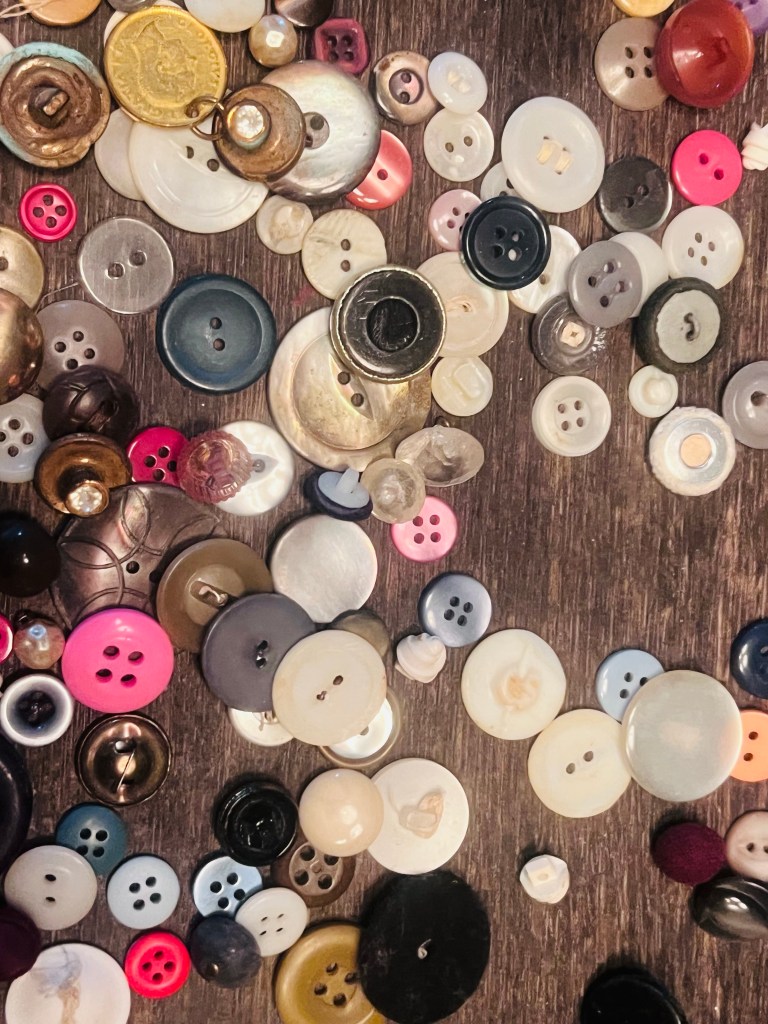
Take a closer look at this photo. Each button is unique, different colors, sizes, and styles. Some are designed to hold heavy coats together, while others are meant for delicate fabric. Some have popped under pressure, others, the ones not pictured, are still holding strong.
Just like these buttons, our children and youth carry different loads. Some bear the weight of trauma, expectations, and survival. Others are holding things together in smaller, but still significant, ways.
As a behavioral specialist and a mom, I’ve seen what Dr. Ross Greene describes as the difference between “lucky” and “unlucky” kids, those whose struggles are visible and often misunderstood. Teens especially can have a hard time making logical decisions when their emotional load outweighs their ability to regulate.
When a young person “pops” under pressure, it doesn’t mean they’re broken. It means they’ve held it together for as long as they could.
Let’s stop expecting kids to always act right when they’re struggling. Let’s be the steady hand that sews them back in, reinforces the fabric, and reminds them they matter, no matter how small or large their role may seem.
Every button has a purpose. So does every child.
💔Also, from my dual perspective as a behavioral‑science educator and a mom, my heart breaks for both Austin Metcalf and the young man whose momentary lapse of judgment and reaction ended in tragedy. At 17, their prefrontal cortices, the brain’s “brakes” on impulse, are still developing, which makes that crucial pause between stimulus and response so fragile. I bet all who were present at the track meet that day wish they could go back and be part of helping create a pause after emotions began to escalate.
As mentioned above, over the years, I’ve studied Dr. Ross Greene’s concept of “lucky” versus “unlucky” behaviors. I have seen them play out in my classrooms, my nonprofits, and on my own kitchen floor. The “lucky” kids, those who pout, cry, or withdraw, tend to receive empathy and soft responses from adults when they’re upset. The “unlucky” kids, those who scream, hit, hurt, or destroy things, too often face punishment or isolation instead of understanding and forgiveness. Yet both are simply signals that a child is stuck, unable to meet expectations without support. The victims need support and so do the juveniles charged with criminal behavior.
I think of my students, whose angry outbursts masked a plea for connection, and whose emotional meltdowns in the cafeteria was the only way to say, “I need help.” With patience, we taught them to name their feelings and practice a simple “count to five, while breathing”, small skills that rewrote their stories. We as adults help create an understanding of the pause for children. Now is the time to TEACH THE PAUSE after an emotional stimulus.
Neither Austin nor Karmelo or their families deserve to be cast as the villain. When we insist on making heroes and villains out of children and two grieving families, we lose sight of their shared humanity, and create confusion, not clarity. God forbid your child ever makes a dangerous mistake or forgets to pause. Instead of looking for someone to blame, let’s ask ourselves:
How can we extend grace to both families, each mourning in ways we can scarcely imagine?
What if we invest in mental‑health and conflict‑resolution supports so every teen learns that vital pause between emotion and action?
How might we model compassion in our homes and schools, showing young people that being “lucky” or “unlucky” in how they express themselves doesn’t determine their worth?
This is, above all, a terrible tragedy. But if we choose empathy over division, if we see every teen as a work in progress who simply needs someone to hear and love them, then perhaps we can prevent the next heartbreak.
To all people involved in the tragedy, I am so sorry. Let the world say what they want, grieve and grow from this. My prayer is that you can look at one another with grace and forgiveness as you grieve the unimaginable.
 Simply Encourage Blog
Leave a comment