By: Stephanie Ellison
This story is incredibly difficult to discuss but I cannot stay silent in this war called Motherhood. I’m also asking for grace and mercy as I discuss this very painful patch of my story.
Mommy. Stay.

When I first heard the story of Lindsay Clancy, I cried.
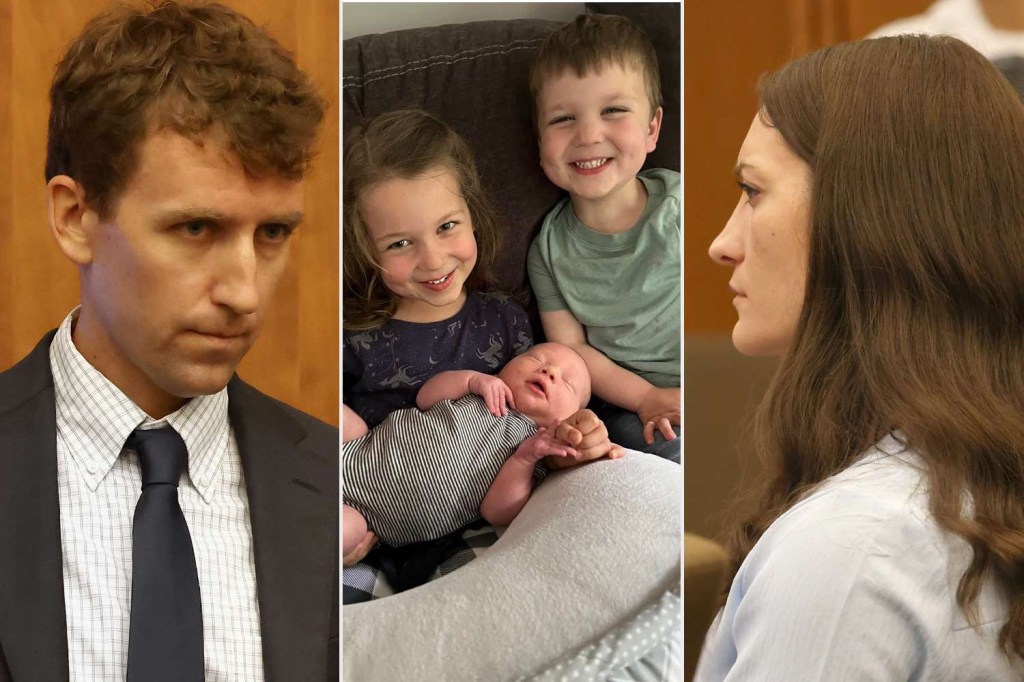
I cried for three beautiful children whose lives ended far too soon. I cried for their father, Patrick, whose unimaginable loss is beyond words. I also cried because the story awakened something in me that I had never talked about publicly. This story is the reason I started speaking out about my mental health and motherhood journey.
Not because our stories are the same.
They are not.
But because I know what it feels like to become afraid of your own mind.
After the birth of my daughter, my existing struggles with anxiety, depression, complex PTSD, and unresolved trauma intensified in ways I never expected. What I had managed for years suddenly became humiliating and overwhelming.
The darkness settled in quickly.
I loved my daughter with everything I had which is what made the fight so confusing. I became convinced she deserved a better mother than me. I also became convinced that I could not become what she needed.
The thoughts I had weren’t about harming my daughter. They were about believing that she and everyone else I loved, would somehow be better off without me. Looking back now, I can clearly see how distorted those thoughts were. But at the time, they felt crushingly real.
Suicidal thoughts began to creep in. At first, they terrified me. I knew they weren’t rational, and I didn’t want them. But they became more persistent, slowly convincing me that my family deserved a wife and mother who wasn’t broken. I genuinely believed they would have a better life without me in it.
It felt as though I were standing between light and darkness, and with each passing day the light grew dimmer, even in broad daylight. My heart would race so violently that I was certain it would explode. The panic, grief, exhaustion, and overwhelming despair left no room for peace. My mind became consumed by hopelessness, and I could no longer imagine a future where I would ever feel okay again. I was in a Prison of pain desperate for peace.
Depression has a way of lying to you. It doesn’t simply make you sad; it convinces you that the people you love would be better off if you could somehow be erased from the picture. That was never true, but in the depths of postpartum depression, it felt like the only truth I could see.
One night, I held a loaded gun to my own head after laying her in her crib. I was softly crying and it stirred my husband from his sleep. He calmly spoke and held that moment with me.
By my husband’s calm presence and quick response he helped me access the part of my brain that could stay one more moment. He asked for the gun and as both of our hands were shaking I handed it to him. He held that gun and emptied the bullets with a silent anguish. He then said we need you and it’s time to get help. So the fight began.
Soon after that moment in 2012, my husband and I made the difficult decision to remove firearms from our home. It wasn’t because I wanted to die. It was because I recognized that, in moments of overwhelming despair, I couldn’t trust where my mind might take me. Looking back, removing immediate access to a lethal means was one of many decisions that helped create space for healing.
That evening, I drove myself to a local psychiatric hospital because we believed I needed help. During the intake process, I admitted that I was afraid of my own thoughts and feared where they might lead. I told them about the gun.
After the evaluation, they sent me home. I don’t share that to criticize the professionals who evaluated me. I know these decisions are incredibly complex, and clinicians often have to make difficult judgments with limited information and resources.

But I do hope it invites an important conversation. How do we continue improving the way we screen, evaluate, and follow families experiencing severe postpartum mental illness?
One of the lessons from this case that seems important is not that we know exactly what caused Lindsay Clancy’s deterioration, we do not. Rather, it is that when a postpartum mother rapidly declines despite treatment, especially when she develops profound insomnia, confusion, loss of touch with reality, hallucinations, or suicidal thoughts, those symptoms should be treated as a psychiatric emergency requiring immediate reassessment. Whether the cause is postpartum psychosis, medication effects, severe sleep deprivation, bipolar disorder, or a combination of factors, worsening symptoms are a signal to step back, reconsider the diagnosis, and carefully evaluate the treatment plan rather than simply assuming the current approach is working.
How do we make sure parents who are terrified by what is happening inside their own minds know where to turn before they reach a crisis?
There was another layer to my fear that I rarely admit. I worried about the financial cost of getting help. We had no insurance and I worried about what hospitalization would mean for our family financially. I did not want to be more of a burden on them. I hate that practical concerns can become one more obstacle for parents already fighting to survive but this case has caused me to speak up.
Healing doesn’t happen overnight and it is not linear. It came through many small decisions.
Working closely with doctors. Trying medications, some that helped, and others that caused difficult side effects before we found a better path. Learning healthier ways to cope. Giving myself permission to keep trying. Even in the moments when I had nightmares and envisioned the peace of dying more than I want to admit.
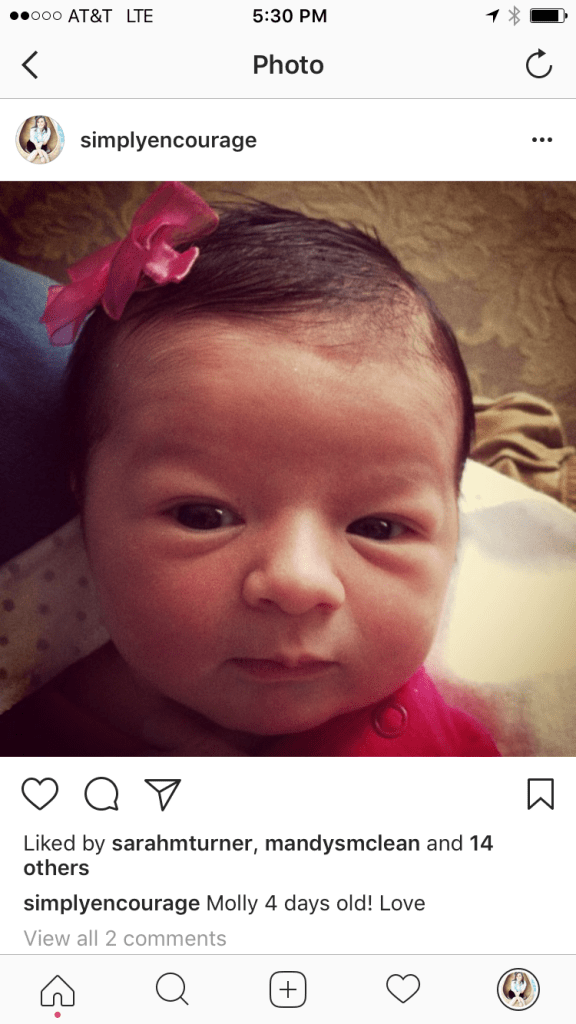
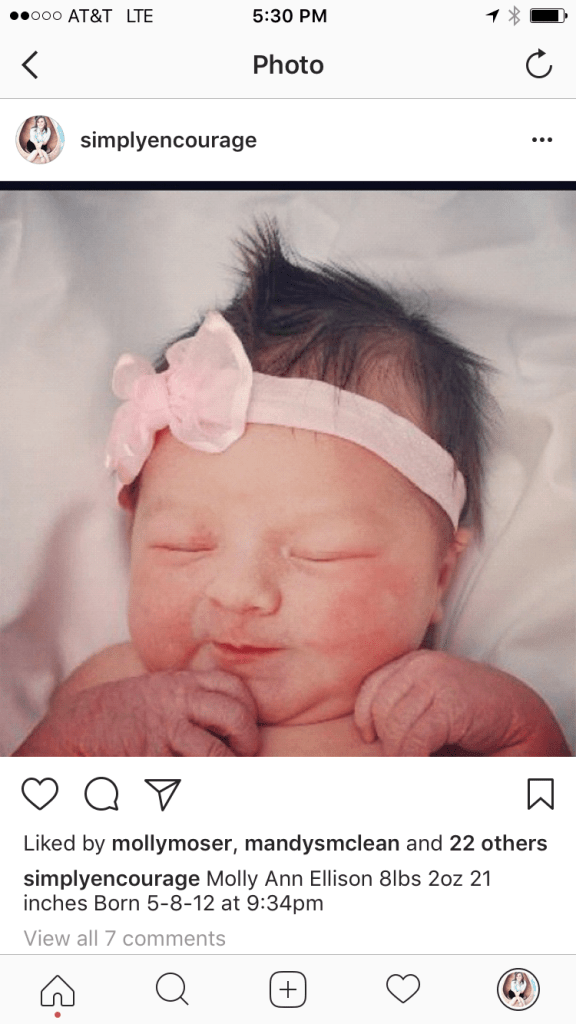
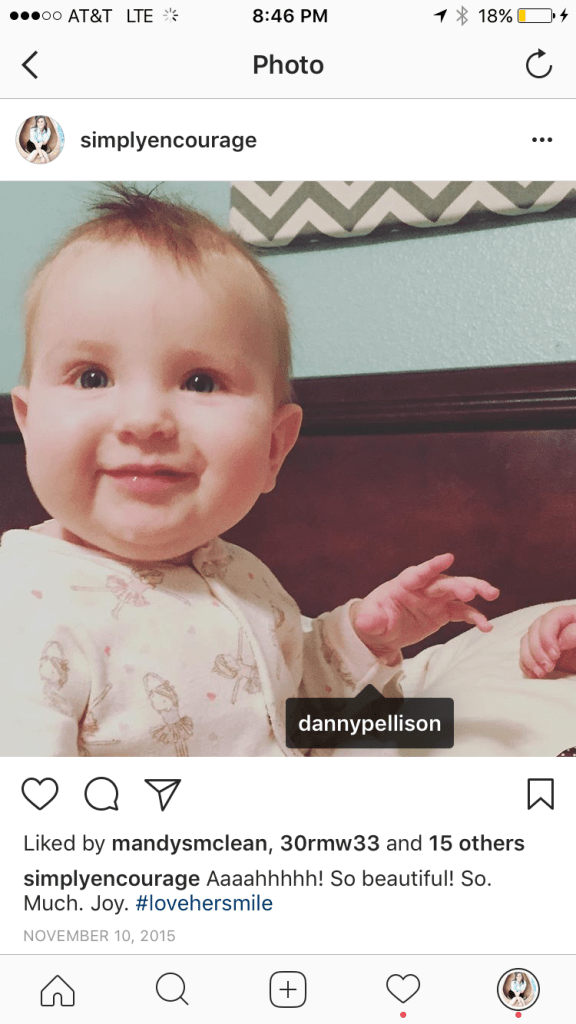
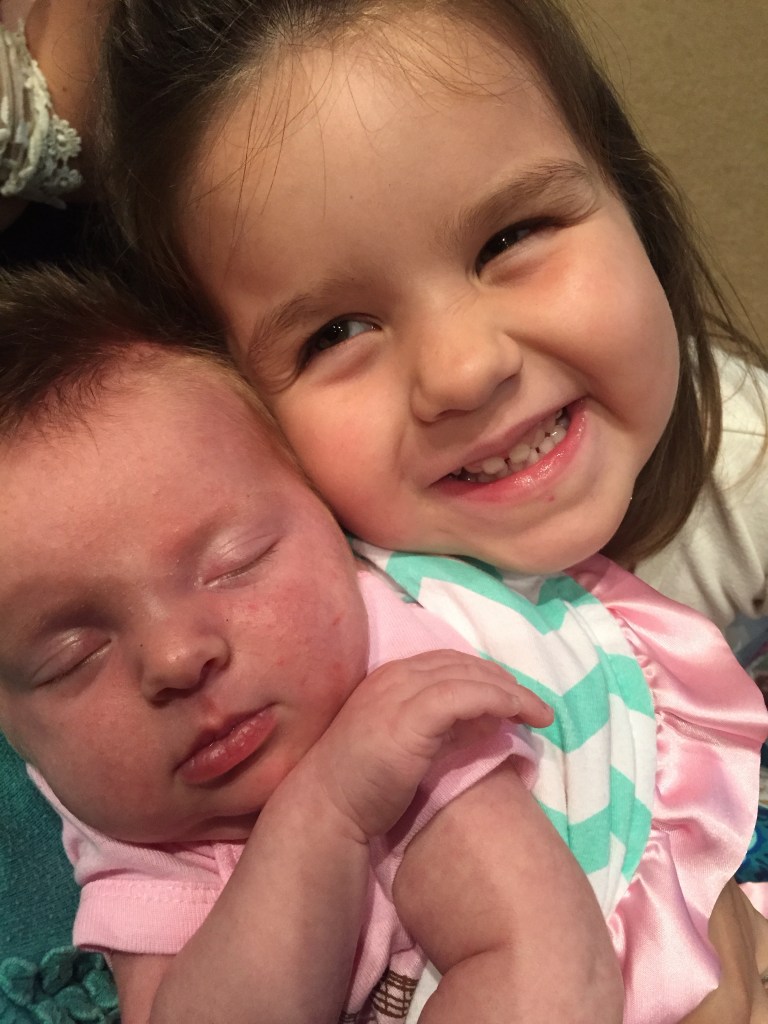
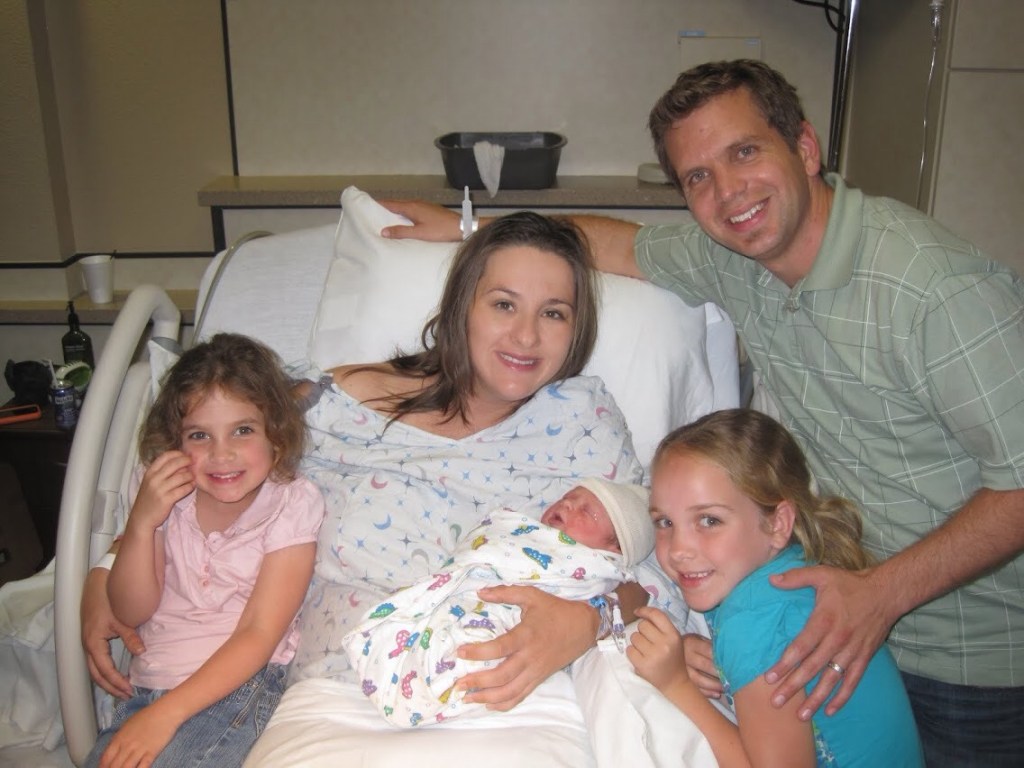
I would step back to reality by the cries of a baby girl waking up and needing me to help her.
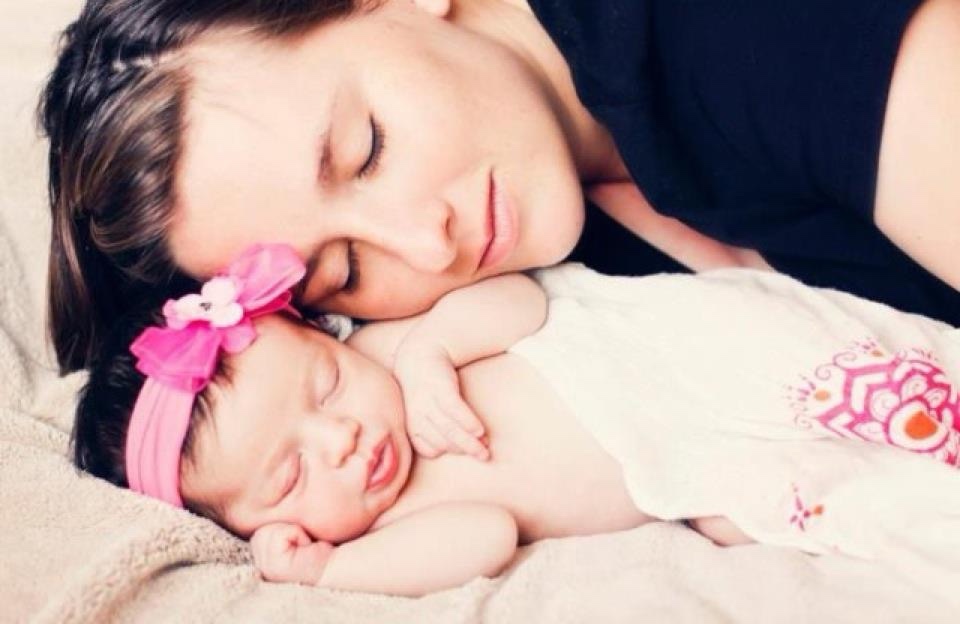
I couldn’t give her everything but I could feed her, change her diapers, and hold her heart close to mine.
She needed me.
I needed her.
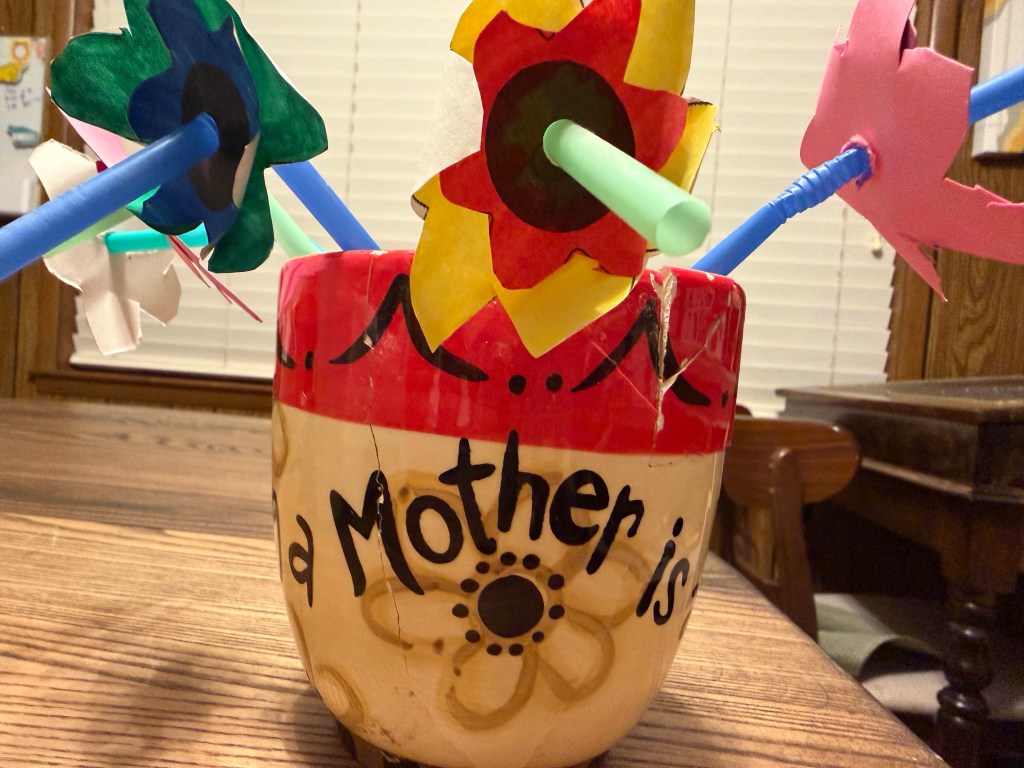
A stranger who heard me speak about my life story brought me a mug that said being a mother is a holy privilege and that mug became my mantra.
A sweet woman invited me to a mom workout group. My church began offering a worship and workout class. A kind CrossFit coach added me to their team of clients at no cost and allowed me to take photos and hype them up as I felt stronger. My doctor made me read a book called, Victory Over the Darkness, before he prescribed another trial medication.

Those moments became more than exercise, reading or sipping coffee through my slumber while trying to decipher the definition of mother and holy privilege, as I read over and over the words painted beautifully across the colorful mug. They became reminders that I wasn’t fighting alone. My body began moving again. My spirit began breathing again. My heart began to believe I could actually see glimpses of light. After my daughter dropped the mug and shattered it, my husband knew how valuable it was. He had glued it back together.
None of those things “fixed” me.
Together, they helped me make it through one more day. Then another. Then another.
Over time, those days have become a life I am profoundly grateful to still be living. That experience forever changed how I think about postpartum mental illness.
Listen close. Compassion is not the same as excusing.
We can grieve deeply for children whose lives were stolen. We can ache for Patrick Clancy, whose unimaginable loss defies words. We can also recognize that severe postpartum mental illness, including postpartum psychosis, is a real medical condition that deserves early recognition, compassionate care, and urgent treatment.
Those truths can exist together.
As the author of Always Forever, I’ve spent years speaking with parents carrying invisible burdens. The story is about unconditional love for our children, but underneath it is really about hope, the kind that refuses to disappear even on our darkest nights. It is a reminder to me of those who showed me love in those moments I felt unloveable. It is for the moments I felt the waging of war.
Many parents have told me they read it while battling postpartum depression, anxiety, grief, or trauma because the simplicity of Always Forever brings them back to reality.
Every time, someone shares, I’m reminded how many people suffer silently because they fear what others will think if they tell the truth.
If you’re struggling with anxiety, depression, PTSD, or frightening intrusive thoughts, please remember this…
Thoughts are not facts. There is no shame in thinking thoughts. Having a frightening thought does not mean you want it or that you will act on it. Many parents experience intrusive thoughts that deeply disturb them. You deserve compassion, not shame, and effective treatment is important. None of us are the same person and there is no method that is one size fits all.
If, however, you or someone you love is beginning to lose touch with reality, experiencing hallucinations, delusions, or severe confusion, or if thoughts of suicide are becoming overwhelming, please seek immediate medical care. Those are emergencies, not personal failures.
There is incredible courage in saying, “I need help.” There is courage in fighting to pause.
If sharing my story helps one parent make that call…If it helps one spouse recognize the warning signs…If it helps one friend stay a little longer…If it helps one healthcare provider ask one more question…
Then perhaps some light can emerge from unimaginable darkness.
I’m profoundly grateful those thoughts did not become my story. With treatment, time, and the unwavering love of the people who refused to let go of me, the light slowly began to return. Today, I share this part of my story because I want other mothers to know there is hope. The darkness may tell you that you’re alone, that you’re beyond help, or that your family would be better without you. Those are symptoms of an illness, not the truth. Hope and healing is possible, and asking for help can save a life.







To Patrick Clancy, I continue to pray for peace. To every parent quietly wondering if they’ll ever feel like themselves again:
Please don’t give up. Give yourself grace. Keep choosing one more day. Keep choosing to pause.
There is hope on the other side of today.
I know because, by the grace of my husband, children, God, and the kindness of many people who refused to let me walk alone, I found it. I’m cheering for you. One humbling decision at a time.
If you are suffering or if you know someone who is call:
💜 988 Suicide & Crisis Lifeline
💜 Betty Hardwick Crisis: (800) 758-3344
💜 Texas Abuse Hotline: (800) 252-5400 (for child abuse or neglect concerns)
💜 911-If someone is in immediate danger

Stephanie Ellison is an educator, speaker, nonprofit leader, and advocate dedicated to strengthening families through compassion, education, and hope. She holds a Bachelor of Behavioral Science in Communication and a Master’s degree in Counseling and Human Development from Hardin-Simmons University. Over the past two decades, she has worked alongside children, parents, foster and adoptive families, educators, and child welfare professionals in roles including behavior specialist, parenting educator, and ministry leader.
Stephanie’s perspective is shaped not only by her professional training but also by her lived experience. As a former foster youth, survivor of complex trauma, mother who experienced severe postpartum depression, serious mental illness, and suicide, she writes with both clinical understanding and personal insight. Her work seeks to bridge the gap between research and real life, helping others recognize that healing begins when compassion, truth, and connection come together.


Leave a Reply